

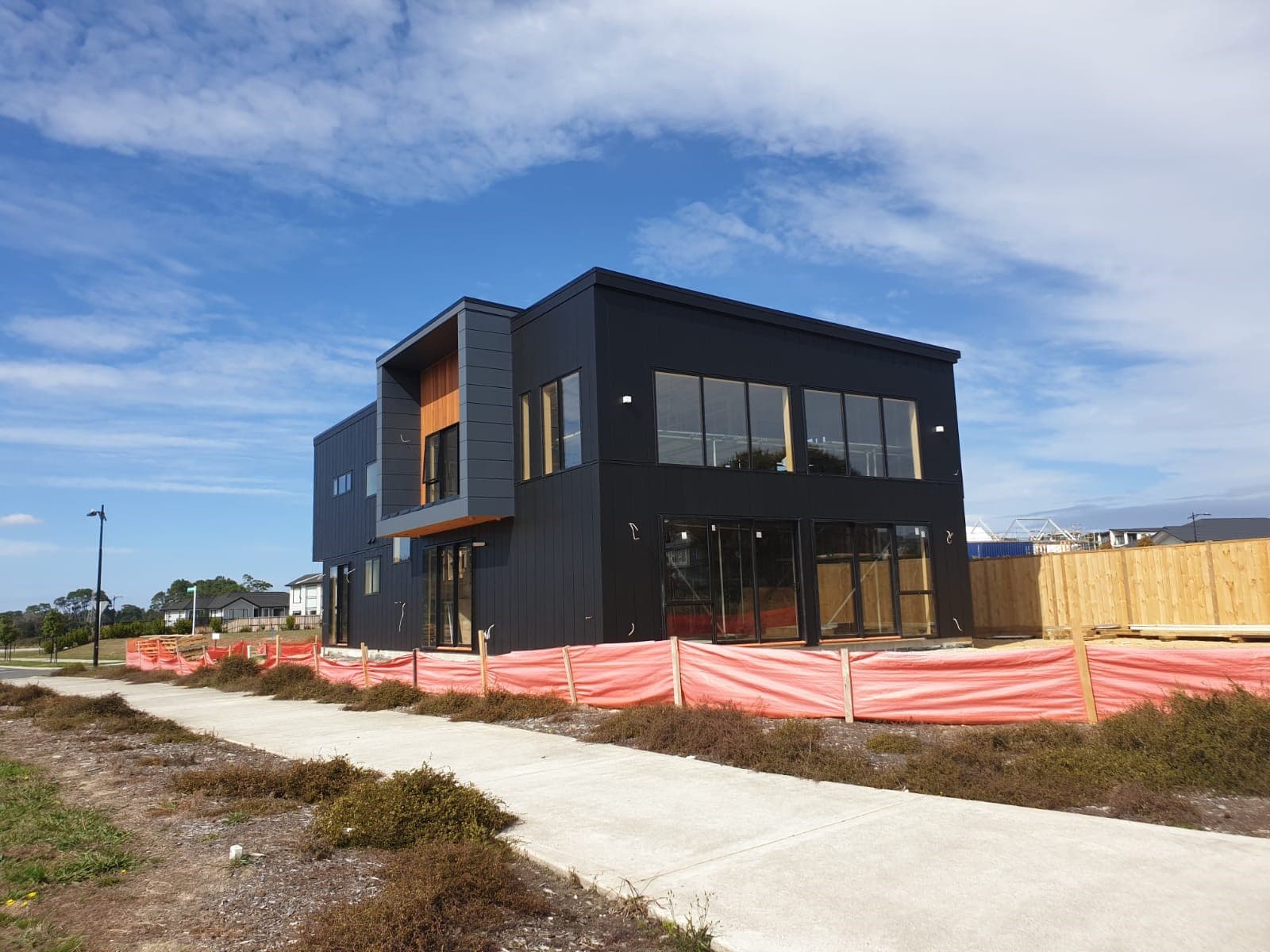
Finding the Best Concrete Builders in Auckland: What to Look For
Auckland is New Zealand's largest construction market and has no shortage of concrete contractors. Finding the right one for your project — whether it's a concrete home, a commercial build, or civil works — comes down to knowing what to look for and what questions to ask.
Why Auckland Has So Much Variation in Quality and Pricing
Auckland's construction market is the most competitive in New Zealand, and that competition cuts both ways. On one hand, you have access to experienced, well-resourced contractors with long track records. On the other, the same demand pressure that drives construction activity also attracts operators who are underqualified, underinsured, or simply trying to win work on price with no intention of delivering on it.
The volume of building activity in Auckland — especially through the residential boom years and the ongoing commercial development across the CBD fringe, Albany, Manukau, and the airport corridor — has created a market where new entrants appear constantly. Some are excellent. Many are not. The challenge for a project owner or developer is that concrete construction looks the same on paper regardless of who is tendering. Two quotes for the same scope can differ by 30% or more, and the cheaper one is not always the better deal.
Understanding why that variation exists is the first step to making a good decision. Pricing differences come from labour costs, experience levels, the degree of subcontracting, access to plant and equipment, and — critically — what is and is not included in the scope. A concrete builder who uses in-house crews and owns their own formwork carries different overhead than one who subcontracts everything and acts purely as a coordinator. Both models can work, but they carry different risk profiles for the client.
Types of Concrete Work in Auckland and the Specialists Who Do It
Not all concrete contractors in Auckland do the same type of work. The market is broadly segmented across several categories, and the best operators tend to specialise rather than claim to do everything.
- →Residential concrete homes: Insulated concrete form (ICF) builds and thermally cast concrete homes are a growing segment in Auckland, particularly for clients wanting high-performance building envelopes. This work requires specialist knowledge of concrete placement within formwork systems, structural tie-in details, and window and door integration. Not every residential builder has this experience.
- →Commercial structures: Multi-storey commercial concrete, tilt-slab construction, and in-situ structural concrete are high-stakes disciplines. Contractors in this space need experience with complex reinforcing schedules, consent documentation, and working alongside structural engineers and project managers.
- →Foundations and civil works:Concrete foundations, retaining walls, suspended slabs, and civil infrastructure form another category. Auckland's variable ground conditions — particularly in volcanic areas and on the North Shore — make this work technically demanding. A contractor experienced with Waikato conditions may not immediately understand the ground behaviour differences in Remuera or Titirangi.
- →Decorative and flatwork concrete: Driveways, paths, exposed aggregate, polished concrete floors, and similar decorative work is its own trade. Operators who focus here are typically not the right choice for structural or complex formed concrete.
The first question to ask any concrete builder in Auckland is what percentage of their work falls within your project type. A contractor who does 80% residential flatwork is not the right choice for a five-storey commercial structure, regardless of their price.
How to Evaluate a Concrete Builder in Auckland
Evaluation comes down to four areas: licensing, insurance, track record, and operational structure.
Licensing: Any concrete builder carrying out restricted building work in New Zealand must hold a current Licensed Building Practitioner (LBP) licence, or the work must be supervised by someone who does. In Auckland, where council scrutiny on residential and commercial projects is high, this is not optional — it is a legal requirement. Ask to see the LBP licence number and verify it on the MBIE register. If a contractor cannot provide this, walk away.
Insurance:Public liability insurance and contractor's all-risk insurance are the baseline. For commercial projects, you should also confirm professional indemnity cover if the contractor is providing any design input. Ask for a certificate of currency — not just a verbal confirmation — and check that the policy limit is appropriate to your project value.
Track record: Request a list of completed projects comparable in type, scale, and complexity to yours. Ask for references from the project owner or developer, not just the main contractor. If a concrete builder cannot provide at least three references for comparable work, that is itself a signal.
In-house vs subcontracted work: Find out what the contractor actually does with their own people versus what they subcontract. A builder who subcontracts the majority of their labour has less control over quality and programme. It is not inherently a problem — many successful contractors operate this way — but you need to know who is actually on site and who is accountable for their work.
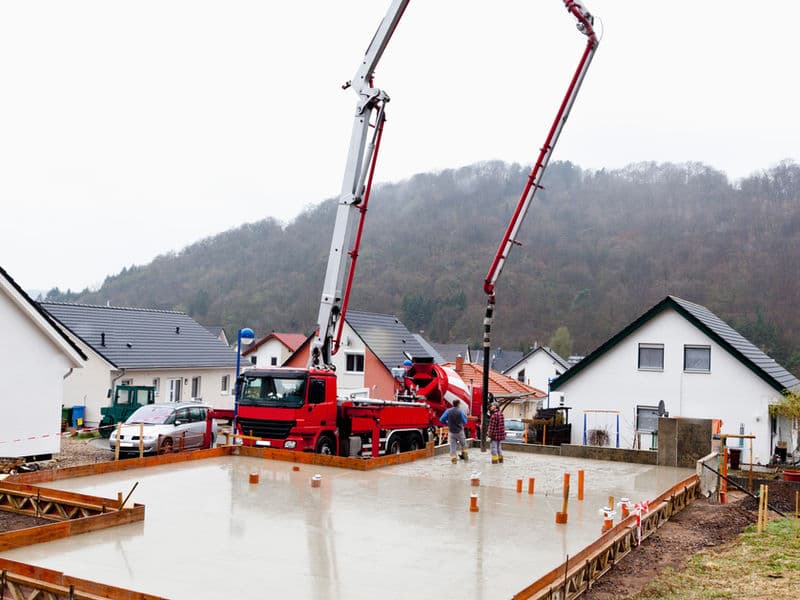
Questions to Ask Before Signing a Contract
Before you sign anything, these are the questions worth asking every concrete builder you are considering in Auckland.
- →What similar projects have you completed in the last three years? Ask for specifics: location, scale, structural system, and who the client was. Vague answers are a red flag.
- →Have you worked through Auckland Council consent processes before? Auckland Council has specific requirements around producer statements, inspection hold points, and documentation. A contractor unfamiliar with these processes will create delays and rework for you.
- →Who is your structural engineer, and how do you work with them? Good concrete contractors have established relationships with structural engineers and understand how to work within the engineering design. A contractor who is dismissive of engineering input, or who does not have existing professional relationships, is a risk.
- →What is your current workload and who will be the site supervisor?In Auckland's busy market, quality contractors are often stretched. Understand who will actually be managing your site day to day, not just who tendered the job.
- →How do you handle variations? Concrete construction almost always involves variations — ground conditions, design changes, consent amendments. A transparent variation process with written approval requirements protects you. A contractor who is vague about this will be expensive when variations arise.
The quality of a contractor's answers to these questions tells you as much about their professionalism as their portfolio does. Experienced concrete builders welcome these questions because they have good answers for them.
The Price vs Quality Reality: Why the Cheapest Quote Is Often the Most Expensive Outcome
Concrete construction has significant fixed costs — formwork, reinforcing, concrete supply, finishing — and there is a floor below which the work simply cannot be done properly. When a quote comes in significantly below competitors, one of a few things is usually happening: the scope is incomplete, the contractor is underestimating, the labour rates reflect an inexperienced crew, or corners will be cut on site to recover margin.
In Auckland, the consequences of poor concrete work are expensive. Structural defects can require partial demolition and re-pour. Consent issues caused by non-compliant work can halt a project entirely. Insurance claims related to defective building work are lengthy and contested. The cost of remediation almost always exceeds the saving made by accepting the cheapest tender.
This does not mean the highest price is always right either. What it means is that the price should be understood in the context of the scope. Two quotes for genuinely equivalent scope, with comparable qualifications and insurance, should be within a reasonable range of each other. If they are not, find out why before making a decision based on price alone.
Why Waikato-Based Contractors Work Well for Auckland Projects
NZ Concrete Group is based in Hamilton, and we regularly service projects across Auckland. This raises a natural question — why choose a Waikato contractor for an Auckland project when there are Auckland-based options?
The answer comes down to how we operate. Our crews are mobile and work across projects throughout the North Island. Hamilton is approximately 90 minutes from Auckland's CBD and less than that from South Auckland and the Waikato corridor. For projects in South Auckland, Manukau, Papakura, and the airport precinct, the travel time is minimal. For CBD and North Shore projects, we typically accommodate crew accommodation and schedule work in runs rather than daily commutes.
Our Waikato base also means our overhead structure is different from Auckland-based firms. We do not carry the cost base of operating in one of New Zealand's most expensive commercial property markets. That difference is real, and it flows through to our pricing without compromising on the quality of work or the qualifications of our team.
We bring the same crew to Auckland projects that we deploy across our Waikato and Bay of Plenty work — experienced in-house people who know our systems, our standards, and our expectations around quality and documentation. That consistency matters, particularly for clients who have had poor experiences with contractors who use different labour from project to project.
What a Good Project Quote Looks Like vs a Vague One
A well-constructed concrete quote will specify the scope in detail: concrete grades and volumes, reinforcing specification and placement standards, formwork type and finish tolerances, cure procedures, and what inspections are included. It will clearly list exclusions — typically site preparation, structural engineering, and any work outside the concrete contract — so there are no surprises.
A vague quote will describe the work in broad terms and leave scope items ambiguous. "Supply and place concrete as per plans" without reference to grade, finish, or reinforcing detail is not a quote you can compare meaningfully to another. It is an invitation to dispute once the work starts.
- →Look for concrete specification references (NZS 3109, NZS 3114, or project-specific)
- →Confirm the reinforcing standard is called out (to structural drawings, or with a specific note)
- →Check that the quote references the specific drawings and revision it is based on
- →Verify the payment schedule is tied to milestones, not arbitrary dates
- →Confirm the quote is fixed-price or clearly describes which elements are provisional
Red Flags Specific to the Auckland Concrete Market
Auckland's size and activity level means there are more operators in the market, and with that comes more variation in quality. These are the specific red flags to watch for when engaging concrete builders in Auckland.
- →Claims to do all trades: A contractor who offers concrete, framing, roofing, electrical, and plumbing as a single package is almost certainly subcontracting all the specialist work. This is not inherently wrong, but it means you are paying a margin to a coordinator who may have limited quality oversight of the actual concrete work.
- →No fixed-price contract option: For concrete work with defined scope, there is no good reason a contractor cannot offer a fixed price. Reluctance to commit to a price usually means the contractor lacks confidence in their own estimating, which is a risk to you.
- →No LBP for restricted building work: As noted above, this is a legal requirement in New Zealand. Any contractor unable or unwilling to provide an LBP licence number for the relevant work type should be excluded immediately.
- →No evidence of Auckland Council consent experience:Auckland Council is one of New Zealand's most demanding consent authorities. Contractors who have not navigated Auckland consent processes before will encounter delays that are your problem, not theirs.
- →Pressure to start without signed documentation: In a busy Auckland market, some contractors will press to begin work before contracts, consent, or full documentation is in place. This almost always creates problems. Do not start paying until the paperwork is right.
The majority of concrete construction disputes in New Zealand relate to scope, variation management, and documentation — not the concrete work itself. Getting the contract and pre-start process right is as important as choosing the right contractor.
Auckland's concrete construction market offers genuine choice, and the right contractor for your project is out there. The work of finding them is in asking the right questions, reading quotes carefully, and not treating price as a proxy for value. A structured evaluation process takes time upfront but saves considerably more time and money during and after construction.
NZ Concrete Group
Family-owned concrete construction specialists based in Hamilton, Waikato. Over 30 years building concrete homes and commercial structures across New Zealand and Australia.
Concrete Construction in Auckland
NZ Concrete Group services Auckland from our Waikato base. Talk to us about your residential or commercial concrete project.